For anyone
shopping, switching to LED lighting represents one of the biggest
opportunities to make significant money savings whilst also reducing our
environmental impact.
Despite the
clear financial benefits of investing more money upfront in a longer lasting
LED light bulb, which produces strong white light and is dimmable, we have seen
little excitement about this new technology from the average person on the
street.
This is
strange as unlike other sustainability initiatives, switching to LED lighting
is one of the easiest changes an individual can make on a day-to-day level. No
major new habits are necessary and no sacrifices in lighting performance are required;
people can have all of the light they are used to at a fraction of the cost by
simply switching a new underlying technology, which increasingly looks just
like the old one.
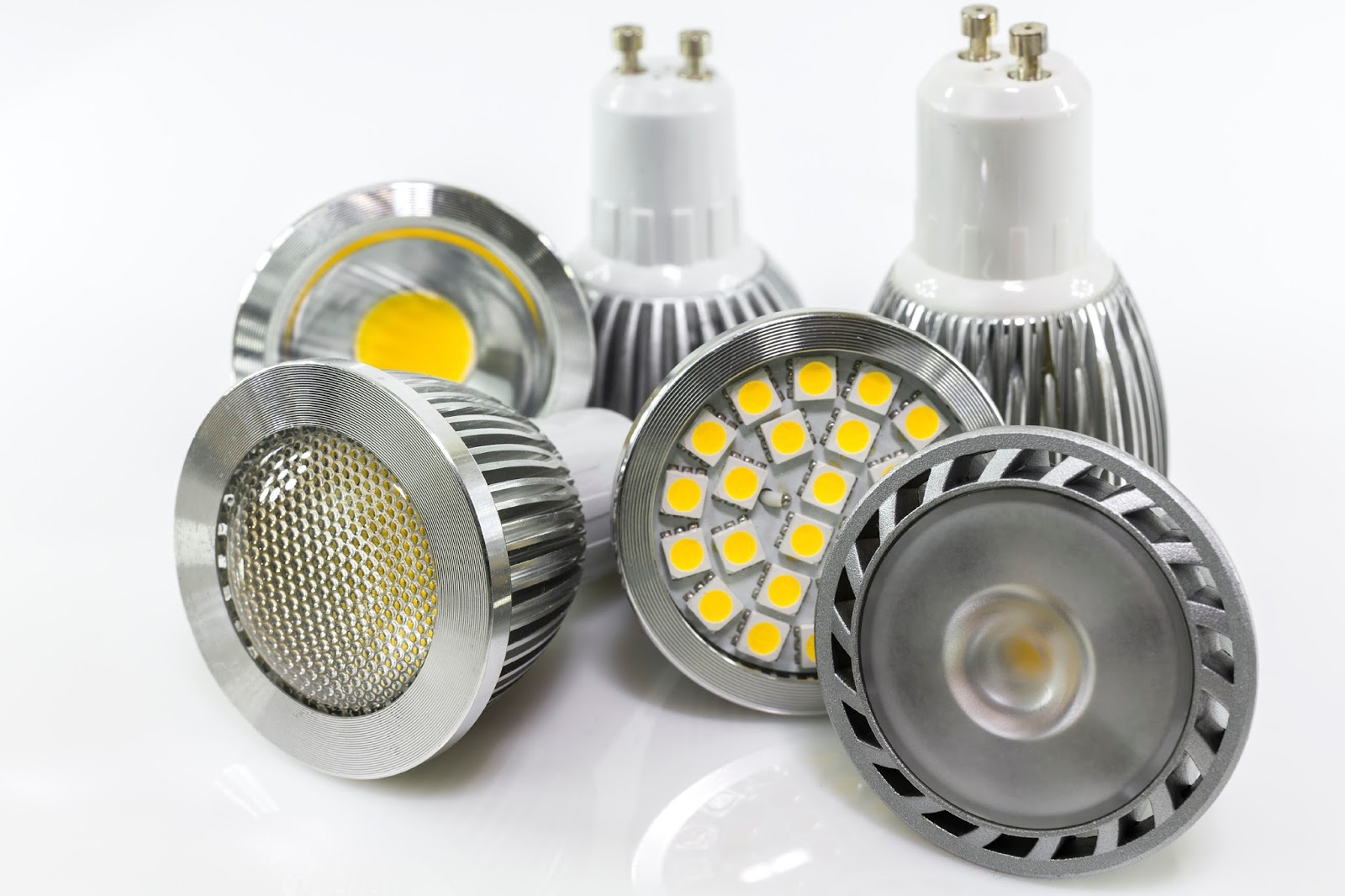
Even
better, once the switch has been made its not uncommon for LED light bulbs to
have lifetimes of up to 25 years before needed to be changed again. So again,
why the hesitation?
Partners on
both sides appear willing – customers clearly want cheaper bills and
manufacturers, at least on paper, have a product to sell that can help achieve
this goal.
In recent
years there has been a tide of stories where consumers have been the only real
victim; the horse meat scandal, rising energy prices in contrast
to falling oil prices, and the price fixing of milk to name a few. The latest? Fudged emissions data by Volkswagen to get their diesel cars through
the emissions testing process.
People
originally bought into diesel cars on the promise of a greener more efficient
technology. This has dramatically shifted into consumers being fooled into
purchases through corporate fraud and with senior executives looking
potentially complicit in the process.
Volkswagen
found a way of cheating in the lab tests for their vehicles’ emissions with a
‘defeat device’ that could sense when the car was being tested and adjust its
NOx emissions downwards accordingly. Another way of putting this is VW had
cheated because they were allowed to mark their own homework and avoid both
independent scrutiny and full public disclosure.

This
highlights a real need for transparency in the way data is gathered and the
software systems being used during and after performance tests. It also adds
fuel to the fire when it comes to consumer confidence in so-called ‘green’ or
‘clean’ technologies.
Make no
mistake we are all for LED lighting and believe its one of the biggest
no-brainers of the last decade; the
global cost of lighting energy is approximately $230 billion per year, of which $100 to $135 billion
can be saved with present-day technologies. However to realise these savings there is a desperate need to create
confidence with end-users to accelerate uptake.
Unfortunately,
an implicit assumption from consumers is that there will be gap between what brands
claim in terms of quality and what they will experience with LED lighting once
they buy it. The fairest way to tackle this problem is to put all lights on an
even playing field and test their performance claims through an independent
test lab in a consistent fashion.
We request
that manufacturers provide us with independent lab test to verify LED product
claims. We can then allow our users to filter products to see which LED bulbs
have had an independent lab test to verify the manufacturers claims. We hope
that implementing this proposal would help to create the trust needed by this new
and uncertain market place. Such a measure would allow people to make a truly
informed purchasing decision based around transparent data and impartiality
rather than brand strength alone.
Remember –
Volkswagen has been the top selling automaker in Europe for the past two decades. The point
we are making here is that data is essentially meaningless unless gathered in
an independent fashion. To truly inspire consumers to make that leap of faith
with a new technology means the onus is on manufacturers to reduce the risk on
the individual by providing as much transparent data as possible.
Relationships
are built on trust. At Which LED Light, we have discussed the psychology of consumers before in relation to manufacturers
and LED lighting. In the age of information, on-demand
brands need to look at consumers in less of a transactional fashion and more as
an ongoing relationship. The truth is just a Google search, tweet, or Facebook
post away. If people trust the technology and the benefits are clear then
uptake is inevitable and potential payback for people and planet is obvious.
The LED
lighting market is becoming increasingly crowded with large corporate
non-traditional lighting players like IKEA and Dyson entering the market alongside an influx of
start-ups. The manufacturers that are aware of this and act early will be the
ones that win out. Without trust LED light bulbs may take years to move into
the mainstream thus reducing sales for manufacturers and denying consumers one
of the most disruptive technologies of recent years.
In lighting,
as in all areas of life, trust is not granted, it has to be earned.